Exploring Innovation, Technology, and Tomorrow.

Month: May 2026

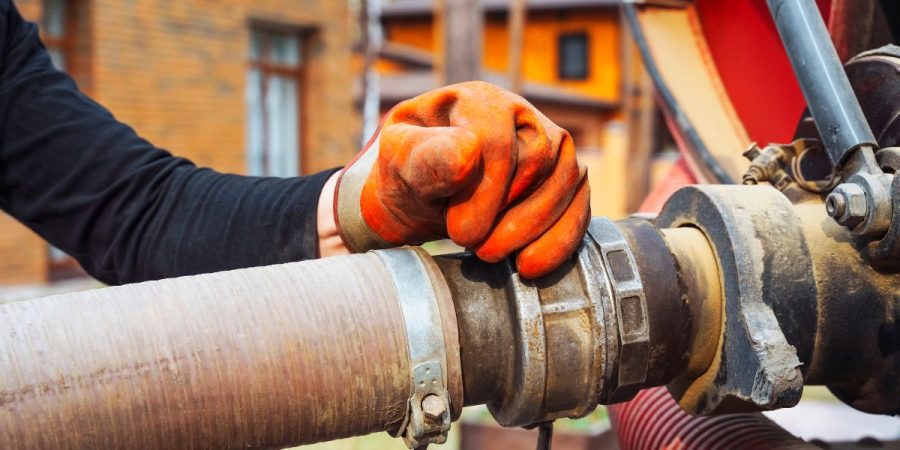
The Role of Septic Maintenance in Protecting Residential Properties

Septic systems are an essential part of wastewater management for many homes and rural properties. Although they often operate quietly in the background, proper septic maintenance is important for protecting plumbing systems, maintaining property safety, and supporting long-term environmental health.

Without regular maintenance, septic systems can gradually develop issues that lead to unpleasant odors, drainage problems, backups, or costly repairs. Preventative care helps homeowners avoid these problems while improving the overall reliability and efficiency of their wastewater systems.

Professional septic services continue helping property owners maintain safe and functional systems through routine pumping, inspections, and long-term maintenance support.

Understanding How Septic Systems Function

Septic systems are designed to process household wastewater safely underground.

Water from toilets, sinks, showers, washing machines, and other plumbing fixtures flows into underground septic tanks where solids separate from liquids. Over time, solid waste naturally accumulates and must be removed to prevent overflow and system failure.

When properly maintained, septic systems can continue functioning effectively for many years while supporting safe wastewater treatment for residential properties.

Routine maintenance plays an important role in preserving long-term system performance.

Why Regular Septic Pumping Matters

Routine pumping is one of the most important parts of septic system maintenance.

As waste accumulates inside the tank, excessive buildup can eventually overload the system and affect its ability to process wastewater properly. This may result in slow drains, plumbing backups, standing water, or unpleasant smells around the property.

Professional Action Septic Pumping in Kelowna services help homeowners reduce these risks through preventative pumping and maintenance designed to support long-term system efficiency and reliability.

Consistent care often helps extend the lifespan of septic systems significantly.

The Environmental Importance of Septic Care

Proper septic maintenance also helps protect surrounding environments and groundwater systems.

Failing septic systems may contaminate nearby soil, water sources, and ecosystems if wastewater is not managed correctly. Routine maintenance and inspections help reduce environmental risks while supporting cleaner and safer waste management practices.

Responsible septic care benefits not only individual properties but also neighboring communities and natural environments.

This preventative approach supports long-term environmental sustainability and public health.

Warning Signs of Septic Problems

Several warning signs may indicate that a septic system requires maintenance or inspection.

Slow drains, sewage odors, standing water near drain fields, unusual plumbing sounds, or wastewater backups can all suggest potential system concerns. Addressing these problems early often helps prevent more severe and expensive repairs later.

Routine maintenance allows professionals to identify potential issues before major failures occur.

Early action can save homeowners significant time, money, and stress over the long term.

The Benefits of Professional Septic Services

Septic systems require specialized knowledge, equipment, and safety procedures for proper maintenance.

Professional technicians understand how to safely inspect tanks, remove waste, identify system concerns, and evaluate long-term performance. Experienced septic providers also help ensure systems continue operating according to local safety and environmental standards.

Professional maintenance often improves overall reliability while helping homeowners feel more confident about the condition of their septic systems.

Expert guidance can also help homeowners better understand recommended maintenance schedules.

Preventative Maintenance and Long-Term Savings

Preventative septic maintenance is usually far more affordable than emergency repairs or complete system replacements.

Routine pumping and inspections help reduce the likelihood of major failures that may require excavation, plumbing repairs, or extensive drain field work. Consistent maintenance also supports stronger system efficiency and long-term functionality.

Many homeowners view preventative septic care as an important investment in both property protection and financial savings.

Ongoing maintenance often reduces the risk of costly and disruptive septic emergencies.

Supporting Residential and Rural Properties

Many homes outside municipal sewer systems rely entirely on properly functioning septic systems.

For these properties, reliable septic care becomes especially important in supporting safe wastewater management and maintaining healthy living environments. Professional maintenance services help homeowners monitor system performance while reducing the likelihood of major system failures.

Reliable septic care supports cleaner, safer, and more functional residential properties over time.

This ongoing support plays an important role in preserving both comfort and property value.

The Future of Septic and Wastewater Management

As property owners continue prioritizing preventative maintenance and environmental responsibility, septic services will likely remain increasingly important.

Well-maintained septic systems contribute to safer properties, cleaner environments, and more reliable wastewater management overall. Routine maintenance helps improve system efficiency while reducing long-term repair risks.

By combining professional expertise, preventative care, and responsible waste management practices, septic service providers continue helping homeowners maintain healthier, safer, and more efficient properties.
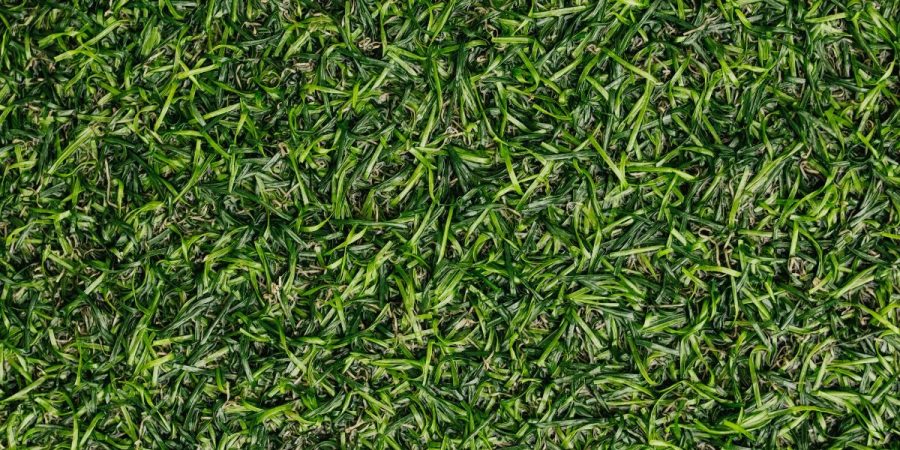
Modern Landscaping in Canada: The Rise of Smart Outdoor Solutions

Across Canada, landscaping is undergoing a transformation. Homeowners and businesses alike are moving away from traditional lawn care methods in favor of more efficient, sustainable, and visually consistent solutions. With changing climates, increasing water costs, and the desire for low-maintenance living, outdoor spaces are being reimagined to better fit modern lifestyles.
This shift has brought synthetic turf into the spotlight. No longer viewed as a niche product, it is now a widely accepted solution for residential, commercial, and recreational spaces. Its ability to combine durability, aesthetics, and sustainability makes it a practical choice for a wide range of applications.

The Limitations of Natural Grass

While natural grass has long been a staple of landscaping, it comes with several limitations. Maintaining a healthy lawn requires ongoing effort, including mowing, watering, fertilizing, and weed control. These tasks not only take time but also contribute to higher costs and environmental impact.
Seasonal changes further complicate maintenance. Harsh winters, dry summers, and inconsistent rainfall can lead to patchy or unhealthy grass. For many homeowners, achieving a consistently green lawn becomes a constant challenge.
These limitations have led to a growing interest in alternatives that offer reliability without the ongoing demands of traditional lawn care.

Why Synthetic Turf Is Gaining Popularity

Synthetic turf provides a solution that addresses many of the challenges associated with natural grass. It offers a lush, green appearance year-round without the need for watering, mowing, or chemical treatments.
For those considering an upgrade, Synthetic grass delivers a clean and polished look that remains consistent in all seasons. This reliability is one of its most appealing features, especially in regions where weather conditions can be unpredictable.
Beyond aesthetics, synthetic turf is designed for performance. It maintains its structure under heavy use, making it suitable for both residential and commercial environments.

Environmental Benefits and Water Conservation

Water conservation is becoming an increasingly important consideration in landscaping. Traditional lawns require significant amounts of water, particularly during dry periods.
Switching to Artificial Grass significantly reduces water usage, supporting sustainable living practices. This reduction not only benefits the environment but also leads to lower utility costs for homeowners.
Additionally, synthetic turf eliminates the need for fertilizers and pesticides, reducing the introduction of chemicals into the ecosystem. This creates a safer and more environmentally friendly outdoor space.

Durability and Long-Term Value

One of the key advantages of synthetic turf is its durability. It is engineered to withstand heavy foot traffic, weather conditions, and daily use without losing its appearance or functionality.
This makes it an ideal choice for families, pet owners, and businesses that require a reliable surface. Over time, the durability of synthetic turf translates into cost savings, as maintenance and replacement needs are minimized.
Solutions such as Golf & Sports Turf further demonstrate its versatility, offering specialized options for recreational and athletic use.

Enhancing Outdoor Living Spaces

Outdoor spaces are increasingly being designed as extensions of the home. Patios, gardens, and recreational areas are now used for relaxation, entertainment, and daily activities.
Synthetic turf plays a key role in creating these spaces. Its consistent surface and low maintenance requirements make it easy to integrate into various designs, from simple lawns to more complex landscaping projects.
By providing a stable and attractive foundation, synthetic turf enhances both the functionality and appearance of outdoor environments.

The Importance of Professional Installation

Achieving the best results with synthetic turf requires proper installation. This involves preparing the base, ensuring proper drainage, and securing the turf to create a smooth and stable surface.
Professional installation ensures that the turf performs as intended, maintaining its appearance and durability over time. It also helps prevent issues such as uneven surfaces or poor drainage.
Companies like Synthetic turf bring the expertise needed to deliver high-quality installations, ensuring that each project meets the highest standards.

Cost Efficiency and Long-Term Savings

While the initial investment in synthetic turf may be higher than traditional grass, the long-term savings are significant. Reduced water usage, minimal maintenance, and lower repair costs all contribute to overall cost efficiency.
Over time, these savings can offset the initial expense, making synthetic turf a financially sound choice for many homeowners and businesses.

Adapting to Canada’s Climate

Canada’s diverse climate presents unique challenges for natural lawns. Extreme temperatures, varying precipitation, and seasonal changes can all impact grass health.
Synthetic turf is designed to perform well in these conditions, providing a consistent and reliable surface regardless of weather. It remains green and intact throughout the year, offering a dependable solution for Canadian landscapes.

Supporting Sustainable Living

Sustainability is becoming a key factor in landscaping decisions. By reducing water consumption and eliminating chemical treatments, synthetic turf supports environmentally responsible practices.
This aligns with broader efforts to create more sustainable living environments, making synthetic turf an attractive option for those looking to reduce their environmental footprint.

The Future of Landscaping in Canada

As technology continues to advance, synthetic turf is becoming even more realistic and versatile. Improvements in design and materials are enhancing its appearance and performance, making it an increasingly popular choice for modern landscaping.
This trend is expected to continue as more homeowners and businesses recognize the benefits of synthetic solutions.

Creating Outdoor Spaces That Last

Landscaping is about more than just aesthetics — it’s about creating spaces that are functional, sustainable, and enjoyable. Synthetic turf offers a solution that meets these goals, providing long-term value and consistent performance.
For those looking to enhance their outdoor spaces, synthetic turf represents a smart and forward-thinking choice. By combining durability, environmental benefits, and visual appeal, it is redefining how landscapes are designed and maintained across Canada.

Powered by WordPress & Theme by Anders Norén